
Reflections on the Facets of the Imposed Ramadan War
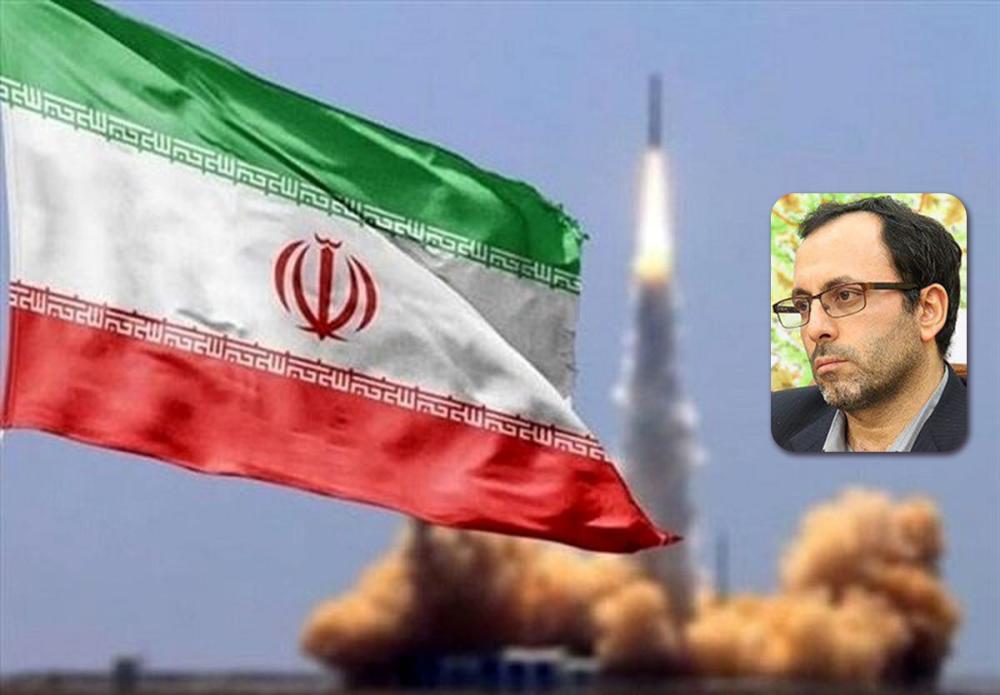



"Iran": The Axis of Consensus and Unity for Iranians (1)
A prominent characteristic of Iranian society is the linguistic, cultural, ethnic, and religious diversity that has flourished throughout the history of this sacred land. In the contemporary era, this pluralism has been further enriched by various—and at times conflicting—intellectual and political currents. Alongside this diversity, another hallmark of the Iranian people has emerged: a historical legacy of tolerance, peaceful coexistence, and the formation of a distinct identity known as "Iran and the Iranian." The cultural interconnectedness of Iranian society has fortified the foundations of Iranian nationality so profoundly that it has remained resilient against the formidable storms of its long history. Time and again, it has assimilated foreign invaders and occupiers, rising phoenix-like from the ashes of history. "Iran" has served as the overarching umbrella for all its inhabitants, and "Iranianness" has been the shared identity of its diverse constituents. For Iranians, "Iran" represents a narrative of shared geography and a millennia-old history. The real and idealized Iran is a synthesis of all its children, encompassing every language, dialect, and cultural expression. Iran possesses a historical continuity; rare and unjustified attempts to ignore segments of this nation's historical identity have proven futile and destined for failure. The first Pahlavi monarch and his intellectual apparatus unwisely equated modern nation-building with homogenization and the erasure of linguistic and cultural differences—efforts that, despite leaving scars on this ancient body, ultimately failed. Furthermore, both the first and second Pahlavi eras exerted extensive efforts to focus solely on pre-Islamic Iranian history while undermining or marginalizing the characteristics of the post-Islamic period. The martyred scholar Morteza Motahhari authored the renowned book Mutual Services of Islam and Iran as a response to this destructive orientation, seeking to invalidate this historical duality. Every page of history bears witness to the Iranians' dedication to preserving their identity and cultural heritage. History further demonstrates that whenever the territorial integrity and essence of Iran have been threatened, Iranians have emerged more cohesive and united, defending the motherland with unparalleled sacrifice.
In the months preceding the brutal aggression by Trump and the infanticidal Israeli regime against our nation, I was part of a collective studying the causes and dimensions of social discontent. Across all surveys and studies conducted by independent institutions, news agencies, and state bodies, the primary factor fostering national unity and cohesion—by a significant margin—was the concept of "Iran" and its survival. During these days of war, we witness the re-emergence of a profound passion for defending Iran across all strata of society, regardless of varying ideologies. What has preserved Iran today against two global nuclear powers and the impotence of international bodies in restraining aggressors is the extraordinary convergence and motivation of the Iranian people, particularly the armed forces and the defenders of the homeland—a phenomenon that can be termed "National Defense." A notable aspect of this national defense is the lack of contradiction or conflict between religious sentiments and patriotic affection for the motherland. Today, in poetry and epics, religious themes are beautifully integrated with historical and national myths, offered to the thirsty souls of Iranians. In this war, to confront aggressors who adhere to no legal or moral standards and who have spared no brutal crime against Iranian citizens—including women, children, and non-combatants—pure blood and precious lives have been sacrificed for the preservation of Iran and its material and spiritual assets. These sacrifices span from an expectant mother and her fetus to a three-day-old infant, the innocent children of Minab Elementary School, ordinary citizens, the valiant crew of the Dena vessel, soldiers at launchers and bases, high-ranking military commanders, senior political and security officials, and the highest political-religious authority of the country. I hope the great nation of Iran will soon embrace victory and subsequently begin the process of healing its wounds and damages.
Bahram Nasrollahizadeh
Faculty Member, University of Kurdistan


Quick Links
Electronic Services
Useful Links


University of Kurdistan, Pasdaran Boulevard, Sanandaj, Iran

Postal Code: 6617715175

Phone: +988733664600-8

Email: info@uok.ac.ir


site visit
- today:
- yesterday:
- all:
Last Update
20 Apr 2026 - 08:11:11